Overcoming Separation Anxiety in Dogs: Expert Tips
Separation anxiety is a common issue that many dog owners face. It can manifest in various ways, from excessive barking and destructive behavior to more severe reactions like self-harm. Understanding how to manage and alleviate this anxiety is crucial for both the dog's well-being and the owner's peace of mind. In this post, we will explore effective strategies to help your furry friend cope with separation anxiety.
Understanding Separation Anxiety
What is Separation Anxiety?
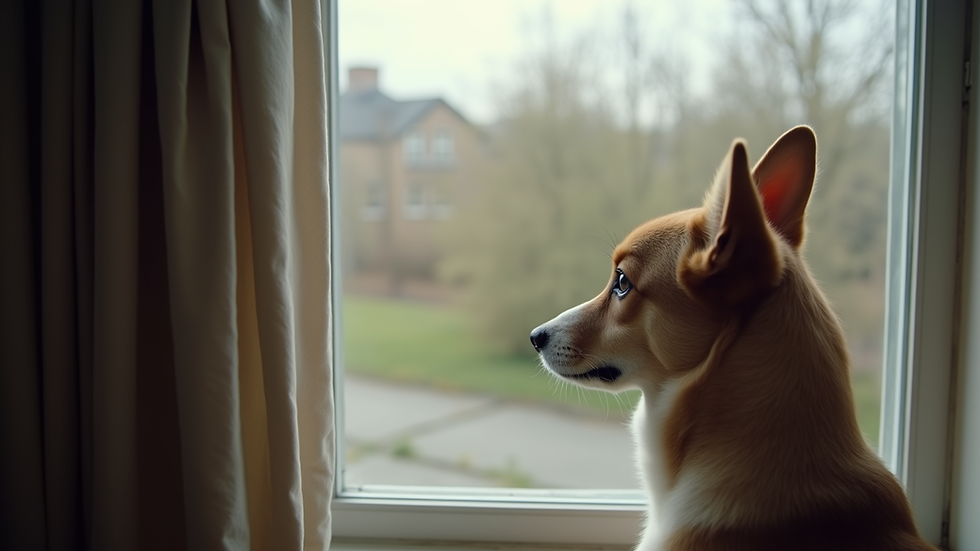
Separation anxiety occurs when a dog becomes overly attached to its owner and experiences distress when left alone. This condition can affect dogs of any age, breed, or background, but it is particularly common in rescue dogs or those that have experienced significant changes in their environment.
Signs of Separation Anxiety
Recognizing the signs of separation anxiety is the first step in addressing the issue. Common symptoms include:
Excessive barking or howling when left alone
Destructive behavior, such as chewing furniture or scratching doors
Pacing or restlessness
Urination or defecation in the house, even if the dog is house-trained
Attempts to escape from the home or crate
If you notice any of these behaviors, it may be time to take action.
Expert Tips for Managing Separation Anxiety
Gradual Desensitization
One of the most effective methods for helping a dog overcome separation anxiety is gradual desensitization. This technique involves slowly getting your dog used to being alone for short periods and gradually increasing the duration.
Start Small: Begin by leaving your dog alone for just a few minutes.
Increase Duration: Gradually extend the time you are away, ensuring your dog remains calm during each session.
Use Positive Reinforcement: Reward your dog with treats and praise when they remain calm during your absence.
Create a Safe Space
Providing a comfortable and secure environment can help alleviate anxiety. Consider the following:
Designate a specific area in your home where your dog feels safe, such as a cozy bed or crate.
Include familiar items like toys, blankets, or clothing that carry your scent.
Use calming aids, such as pheromone diffusers or anxiety wraps, to create a soothing atmosphere.
Establish a Routine
Dogs thrive on routine, and having a consistent schedule can help reduce anxiety. Consider the following tips:
Set regular feeding and walking times to create predictability.
Incorporate playtime and training sessions into your daily routine to keep your dog engaged and mentally stimulated.
Practice departure and arrival routines to minimize excitement and anxiety. For example, avoid long goodbyes and keep arrivals low-key.
Training Techniques
Training can play a significant role in managing separation anxiety. Here are some techniques to consider:
Basic Commands: Teach your dog basic commands like "sit," "stay," and "down." This not only provides mental stimulation but also reinforces your role as a leader.
Leave and Return Exercises: Practice leaving the room for short periods and returning calmly. This helps your dog understand that you will always come back.
Interactive Toys: Use puzzle toys or treat-dispensing toys to keep your dog occupied while you are away.
Seek Professional Help
If your dog's separation anxiety is severe or does not improve with home strategies, it may be time to consult a professional. A veterinarian or certified dog trainer can provide tailored advice and may recommend behavioral therapy or medication if necessary.
Additional Strategies for Reducing Anxiety
Exercise and Mental Stimulation
Regular exercise is essential for a dog's overall well-being and can significantly reduce anxiety. Consider the following:
Daily Walks: Aim for at least 30 minutes of exercise each day, depending on your dog's breed and energy level.
Interactive Play: Engage in activities like fetch, tug-of-war, or agility training to keep your dog physically and mentally stimulated.
Socialization: Arrange playdates with other dogs or visit dog parks to help your dog build confidence and reduce anxiety.
Calming Products
There are various products available that can help soothe anxious dogs. Some options include:
Calming Treats: Look for treats containing natural ingredients like chamomile or valerian root.
Anxiety Vests: These snug-fitting garments provide gentle pressure that can help calm anxious dogs.
Music or White Noise: Playing calming music or white noise can create a soothing environment for your dog when you are away.
Monitor Your Dog's Behavior
Keep a close eye on your dog's behavior and adjust your strategies as needed. If you notice any changes or improvements, celebrate those successes.
Conclusion
Overcoming separation anxiety in dogs takes time, patience, and consistency. By implementing these expert tips, you can help your furry friend feel more secure and comfortable when left alone. Remember, every dog is unique, and what works for one may not work for another. Stay committed to finding the right approach for your dog, and don't hesitate to seek professional help if needed. Your efforts will lead to a happier, healthier, and more confident companion.
As you embark on this journey, remember that your dog relies on you for support and guidance. With love and dedication, you can help them overcome their fears and enjoy a more relaxed life.

Comments